Live Experience

CALL A SATELLITE

Voice conversations with the International Space Station using live orbital data.

An interactive exhibit for museums, science centers, and curious minds everywhere.

Try It Now

Free to use. Microphone required. Nothing is recorded.

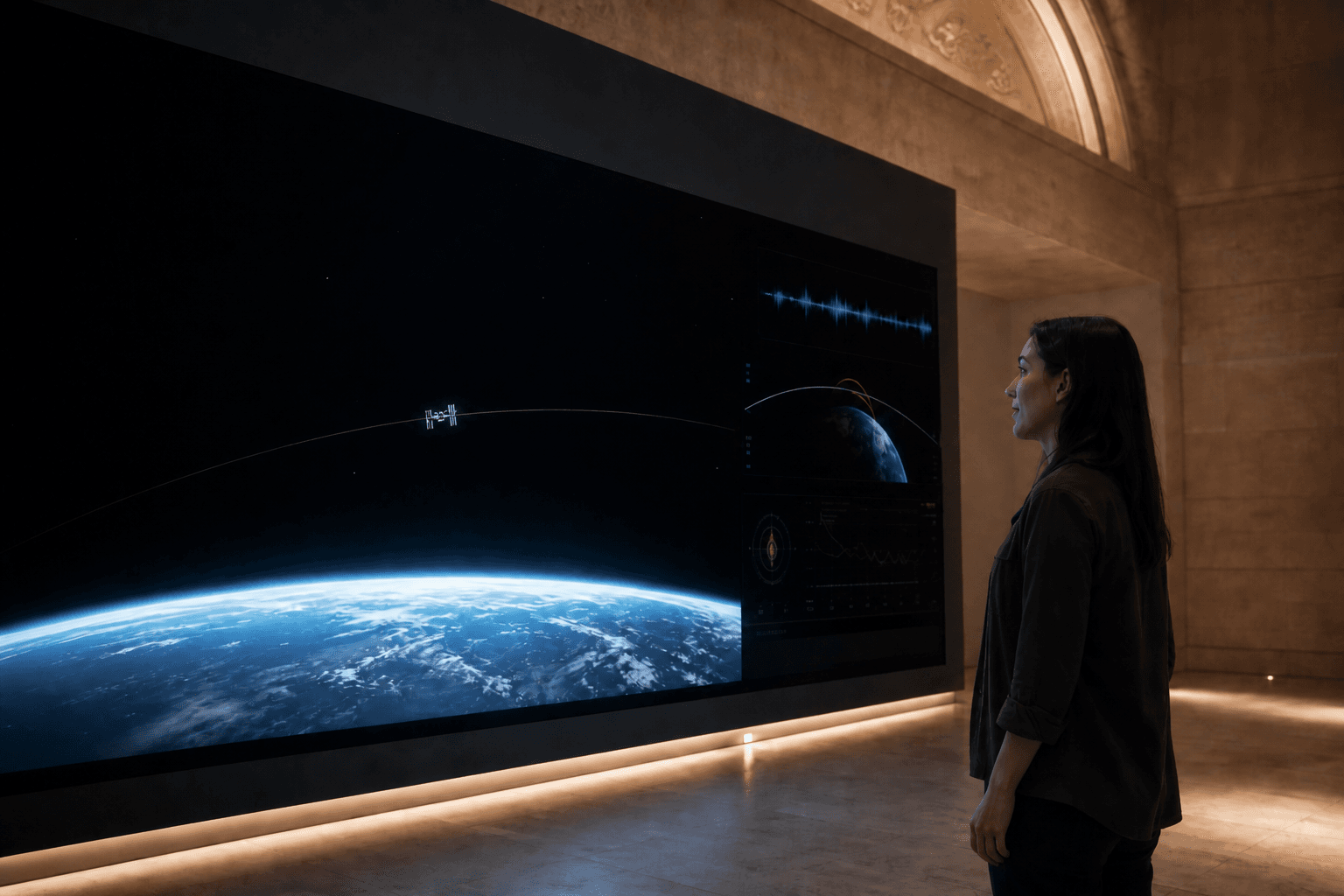
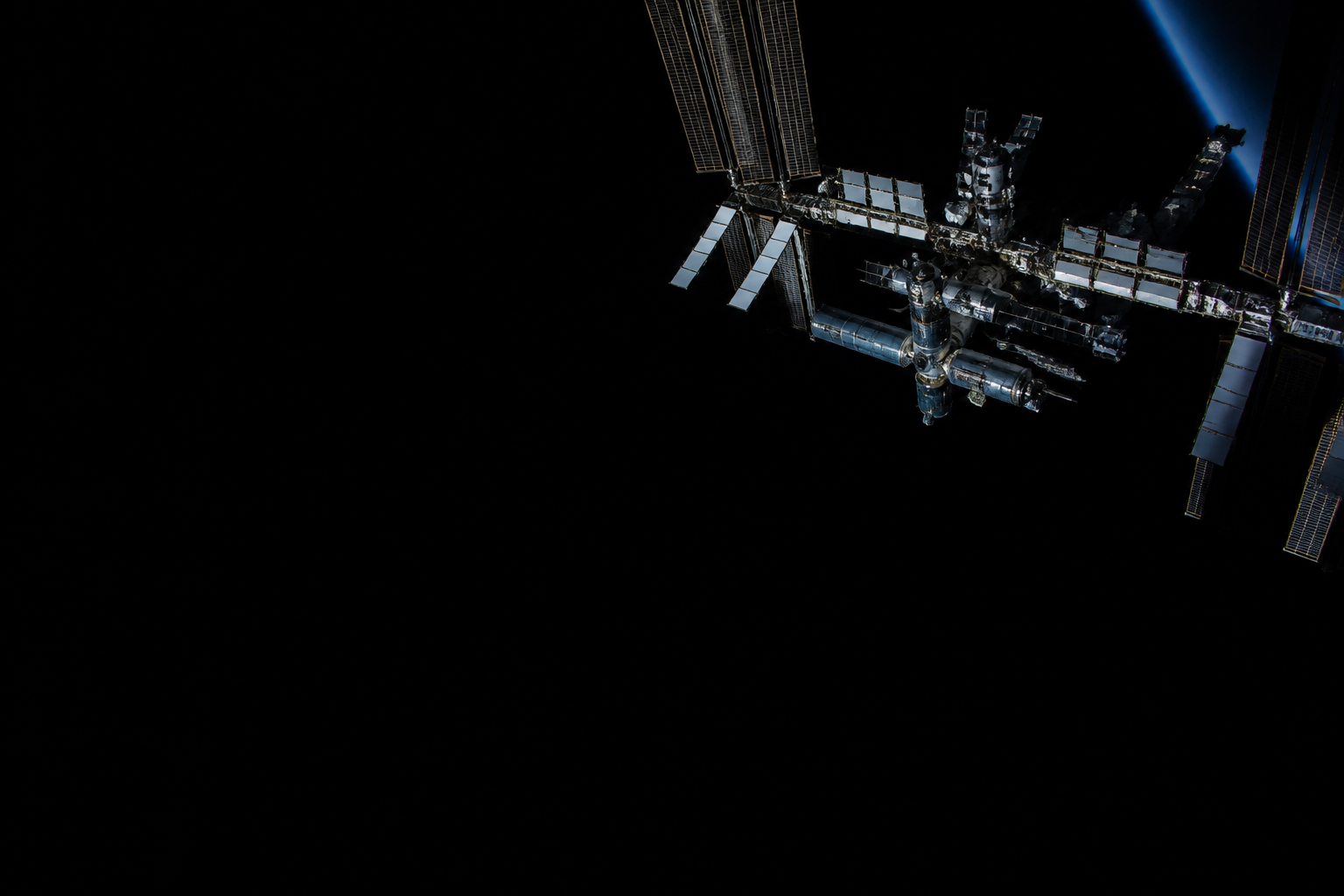
Live — ISS passing over Earth orbit
See It In Action

Watch the Demo

Experience a real conversation with the ISS. Ask about its orbit, speed, or what it sees below.

What this is

Space infrastructure, made personal.

Satellites move the modern world, but most people never feel them. Call a Satellite turns live orbital data into a conversation anyone can have.

ISS Live Data
408km altitude
27,600km/h speed
92min orbit
Passing overEarth orbit
How it works

Talk to a satellite.

Press and hold to speak. Ask about orbit, speed, or location. The voice responds using real data describing its motion around Earth.

1Hold to talkOne gesture. No menus.
2Ask anythingOrbit, speed, location, view.
3Live positionReal-time tracking data.
4Natural voiceData becomes dialogue.
Use Cases

Built for engagement.

From science museums to classrooms, Call a Satellite creates memorable moments that connect people with space exploration.

Museums & Science Centers

An interactive exhibit that visitors remember. No staff required—just a screen and microphone.

Education & Classrooms

Bring STEM to life. Students ask real questions and get real answers about orbital mechanics.

Events & Conferences

A conversation starter. Deploy at space industry events, science fairs, and public gatherings.

Recent Features & Roadmap

What's new.

We keep expanding the experience with real data sources and new ways to explore space from your screen.

Recent Expansions (Feb 2026):

  • Space Debris Layer: Up to ~80 tracked debris objects from CelesTrak (Iridium-33, Cosmos-2251/1408, Fengyun-1C), SGP4-propagated with tooltips and optional proximity filtering.
  • NEO Close-Approach Layer: NASA/JPL CNEOS CAD API showing upcoming flybys, with click-to-call voice responses that include approach date, miss distance (LD/km), relative velocity, and risk classification.
  • Educational SSA Context: Combined ISS, debris, and NEO layers for space situational awareness, with voice queries covering orbital congestion and planetary defense.
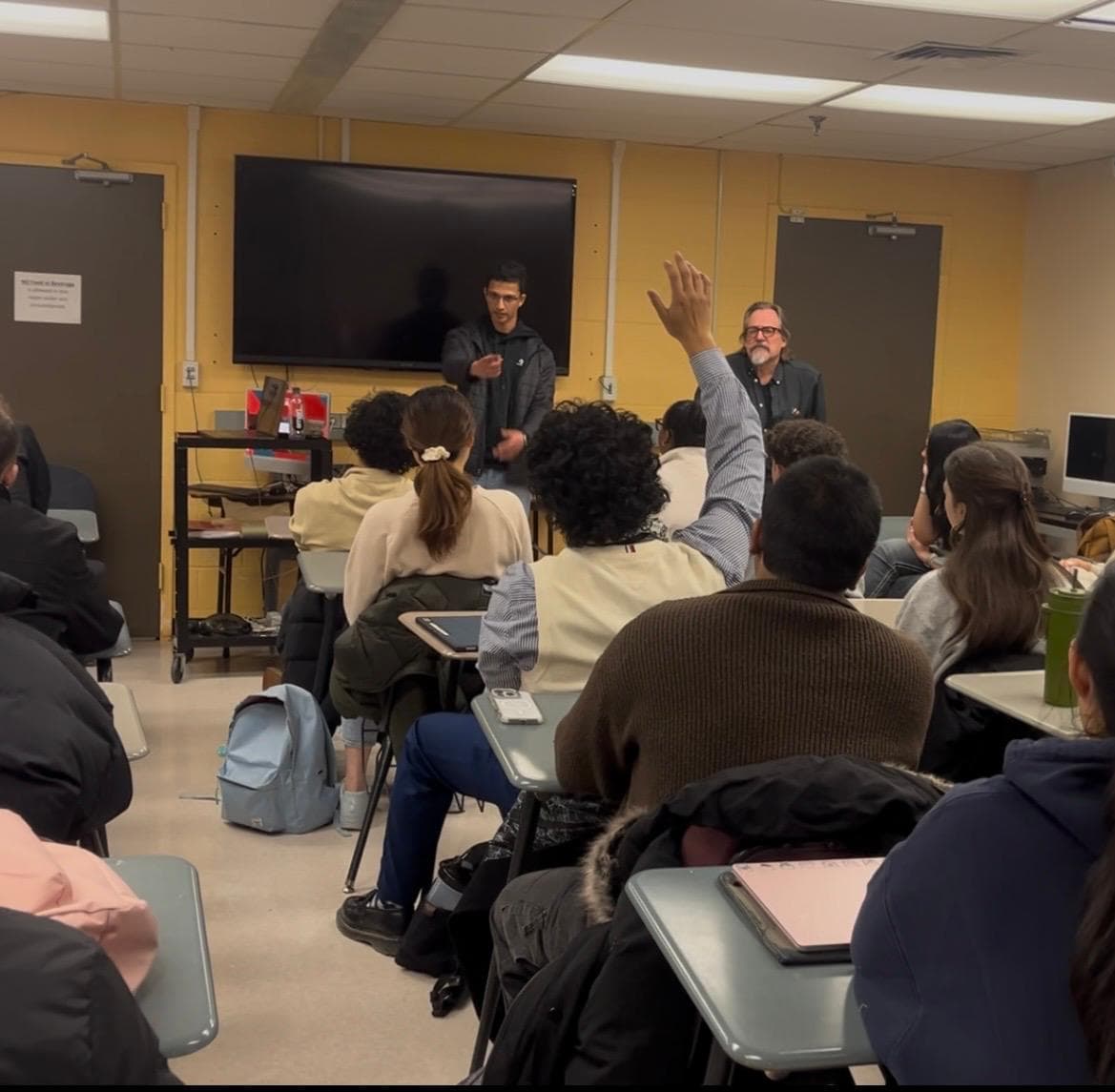
  • Academic Pilot — Stony Brook University: Piloted a live classroom session with students using real-time voice queries to orbiting satellites. Students asked questions like "What do you do?" and "How fast are you moving?" and received data-backed responses in real time, hosted by Professor Phillip Baldwin of the Media Arts department.
Phillip Baldwin, Associate Professor, Media Arts — classroom demonstration at Stony Brook University

Phillip Baldwin, Associate Professor, Media Arts — Stony Brook University

Classroom demo at Stony Brook University
Live demonstration
Call a Satellite demo

Live classroom demonstration — Stony Brook University (Feb 2026)

The Vision

An invisible industry, made visible.

The space economy is massive, yet it has almost no consumer interface. We're changing that—starting with a simple human moment: conversation.

This is the first step toward a future where anyone can interact with space infrastructure as naturally as making a phone call.

Ready to talk to space?

Start a conversation with the International Space Station right now.

Launch Experience